PastPort
Lost & Found
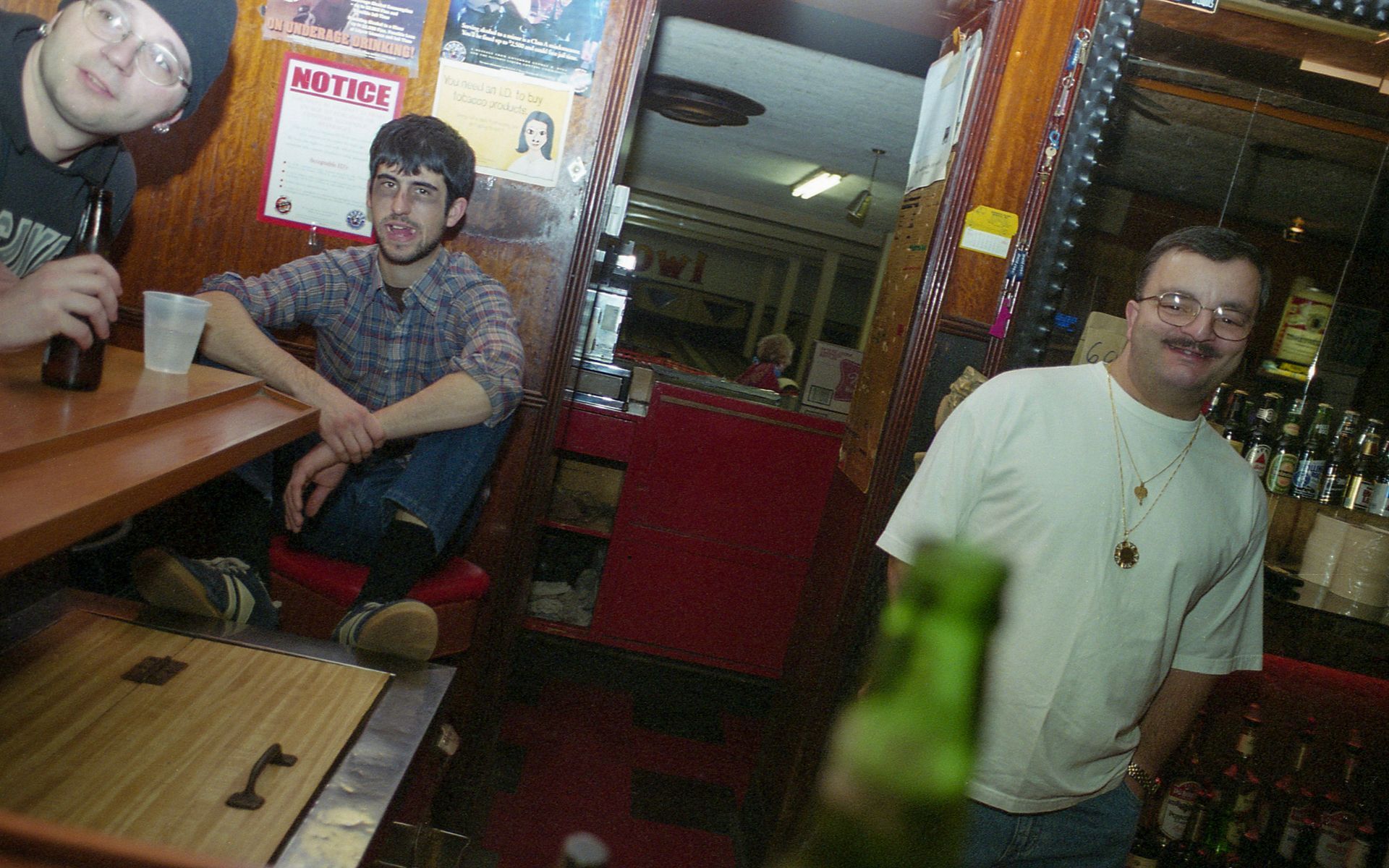
Logan Square Preservation will again be staging its self-conducted PastPort bar tour this year, inviting community members to visit a range of classic neighborhood watering holes for a frosty beverage and a bit of neighborhood history.
“Logan Square Music: Lost & Found” is the theme of this year’s PastPort tour, set to run June 7 – July 7, 2026. Participants with a PastPort will be able to visit 10 spots with an emphasis on the endangered live music venues that have long been a big part of the neighborhood.
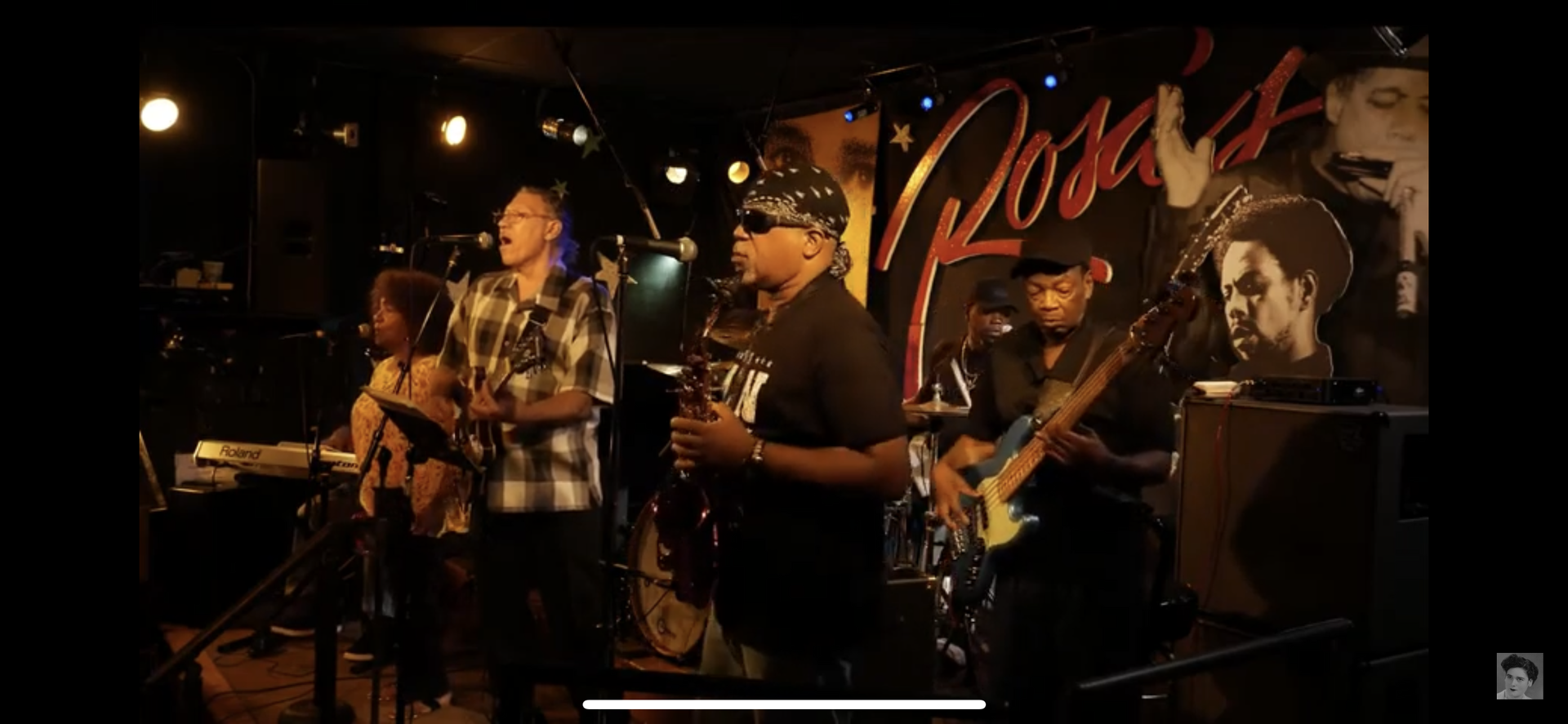
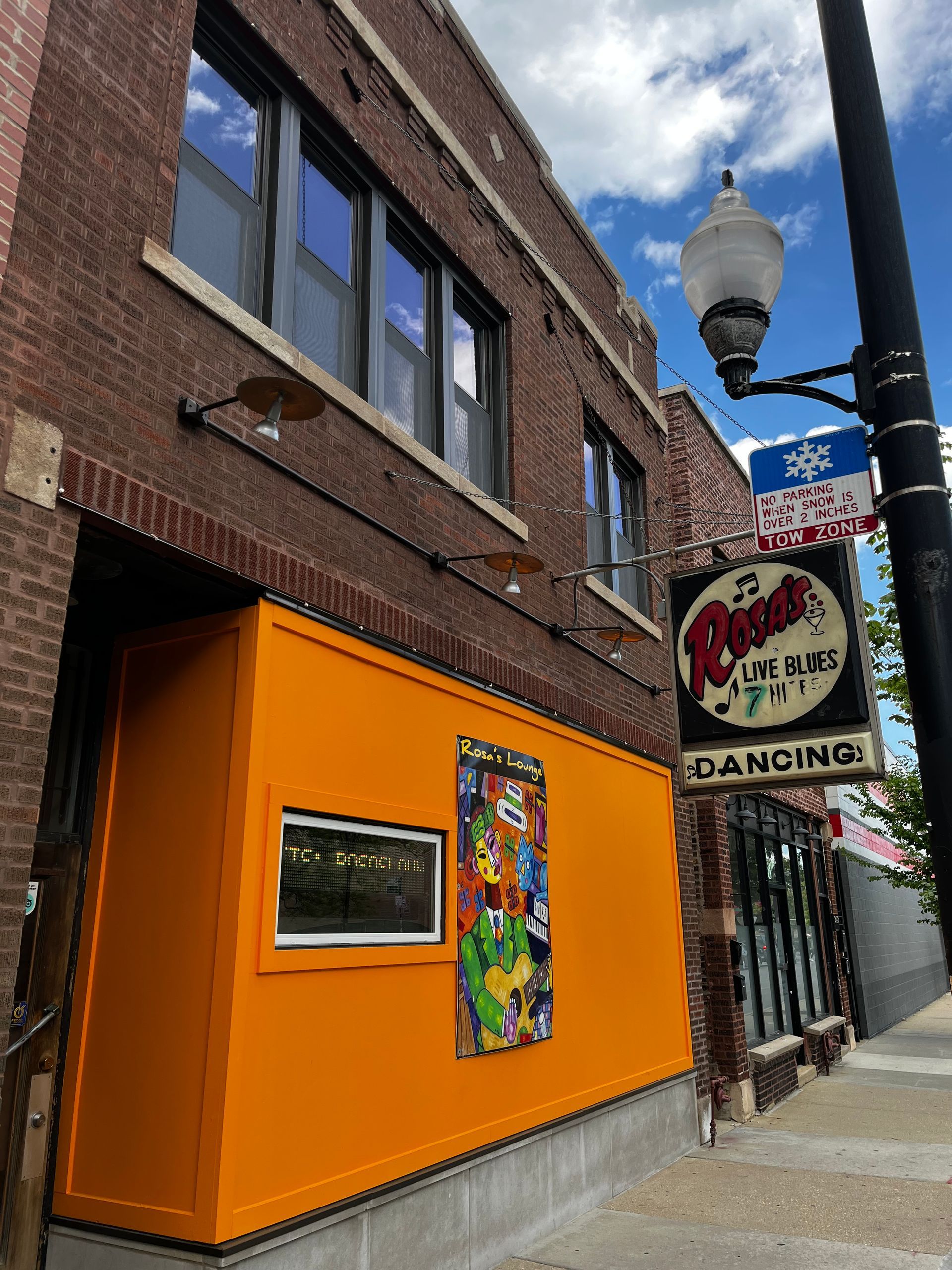
Participants can visit each spot at their own pace, read up on bar history and get a unique stamp in their 2026 PastPort. Those who collect nine stamps will get a collectable memento and a chance to attend a special private backstage event at the 10th venue, Rosa’s Lounge, on July 12.
The venues on tap for 2026 are The Burlington, Café Mustache, Cole’s, Gallery Cabaret, The Native, O’s Tap, The Owl, Reed’s Local, Rosa’s and The Whistler. The 2026 PastPort will also memorialize “lost” venues such as Crown Liquors, the Fireside Bowl stage, The Mutiny, Pancho’s/Township, Quenchers and Ronnie’s.
PastPorts will be available to all LSP members in good standing. Not a member? Join today for only $25 for the full year!
Participating Venues


Lost Venues
Crown Liquors
2012-2017
Originally constructed in 1911, the building at 2821 N. Milwaukee Avenue evolved from a neighborhood grocery into a legendary Chicago “slashie.” During the 1930s, the storefront operated as Fischman & Sons Grocery. The family pivoted to liquor sales in 1949. Even a devastating 1951 fire that entirely gutted the interior couldn’t stop them; the resilient space bounced back to serve as a multi-purpose hub that housed the Loganite Currency Exchange through the mid-century. By the 1980s, the venue transitioned into Danny’s Crown Liquors, cementing its status as a classic, gritty tavern-packaged goods hybrid before a final 2015 modernization revived it as a craft beer taproom. Beyond its package goods, the venue carved out a vibrant reputation as a neighborhood music destination, packing its mini dance floor with recurring pop-punk nights, local rock bands, weekend DJs, and intimate live sets. Ultimately, after more than a century of surviving bombings, fires, and changing demographics, this resilient Avondale-Logan Square music and nightlife staple permanently closed its doors in April 2020 due to the economic pressures of the COVID-19 pandemic.
Ronny’s
1984-2010
Built in 1892, 2101 N. California Avenue was originally home to a grocery store and confectionery before the tavern scene took over the space for the next 106 years. In 1984, Ronny Gamboa opened Ronny’s, a legendary punk rock dive bar that wore its grit proudly.
One step inside and you were immediately hit with a rancid blend of stale beer, decades of trapped cigarette smoke, and a chronically flooded basement. It was a beautiful, sweat-soaked dump hidden behind a battered Old Style sign. Inside, underground bands thrashed in a cramped back garage while regulars packed the front bar on cracked leather stools.
Fueled entirely by cheap drinks and raw volume, the venue stood as a gritty anchor for Chicago’s independent subculture until it shut down for good in 2010. The building sat vacant for years before being completely transformed by the arrival of restaurant Lonesome Rose.
Township
2012-2017
Originally a bakery built in 1909, 2200 N. California Avenue has housed multiple culinary endeavors. The space took on its most eclectic identity in 2012 when music promoter Brian Peterson and restaurateur Tamiz Ciccone opened Township: a beloved hybrid diner, cafe, and indie music venue. Peterson had previously used the space’s predecessor, a Cuban restaurant called Pancho’s, to host underground concerts after the sudden closure of nearby punk hub Ronny’s.
For five years, Township served as a vibrant community anchor. It was celebrated for a daytime menu featuring vegan options and Indian-fusion diner staples, alongside an intimate back room that hosted a diverse mix of local and touring indie, punk, and folk bands.
The neighborhood staple quietly closed its doors in December 2017, marking the end of a unique era in Logan Square’s DIY music and culinary scene. Today, the space lives on as the charcuterie-focused restaurant Lardon.
Mutiny
1990-2016
Built in 1919, the building at 2428 N. Western Avenue originated as a bowling alley. In 1933, former boxer Tommy Kluth and his wife, Violet, took over the property and transformed it into a bar. They named it Tommy Kluth’s Gallery Bar and adorned the inside with photographs of boxers. After cycling through several liquor licenses and iterations over the decades, the space finally found its definitive calling when Mutiny opened in 1990. Founded by the beloved Ed Mroz, this Logan Square staple became legendary for its loud, no-cover live music, sticky floors, and giant plastic mini-pitchers of beer.
For nearly three decades, it served as a vital, unapologetic haven for the local underground music scene—defying gentrification and even surviving a 2016 fire. When it finally closed its doors, it cemented a permanent place in Chicago DIY history.
Today, the former counterculture sanctuary sits empty and quiet. Listed off-market in a rapidly developing neighborhood, the building remains a silent monument to a much louder era.
Quenchers Saloon
1979-2018
Before becoming a legendary Chicago craft beer hub, the building at the corner of Western and Fullerton avenues boasted a diverse neighborhood history dating back to 1913. The storefront initially housed a confectionery in 1915, followed, ironically enough, by decades of dental practices. The space finally transitioned into a neighborhood watering hole in 1939 under the name Jug Full Liquors, laying the groundwork for Earle Johnson to open Quenchers Saloon 40 years later in 1979.
Beyond its famous free popcorn and massive global beer menu, the bar grew into a beloved cultural hub for the local arts community. Its back-room music stage regularly hosted indie bands, punk acts, and live band karaoke. This decades-long run as a Logan Square institution finally came to an end in June 2018 when Johnson retired. The business sold off its iconic memorabilia, and the building was subsequently converted into a medical office.
Fireside Bowl
1990-2004
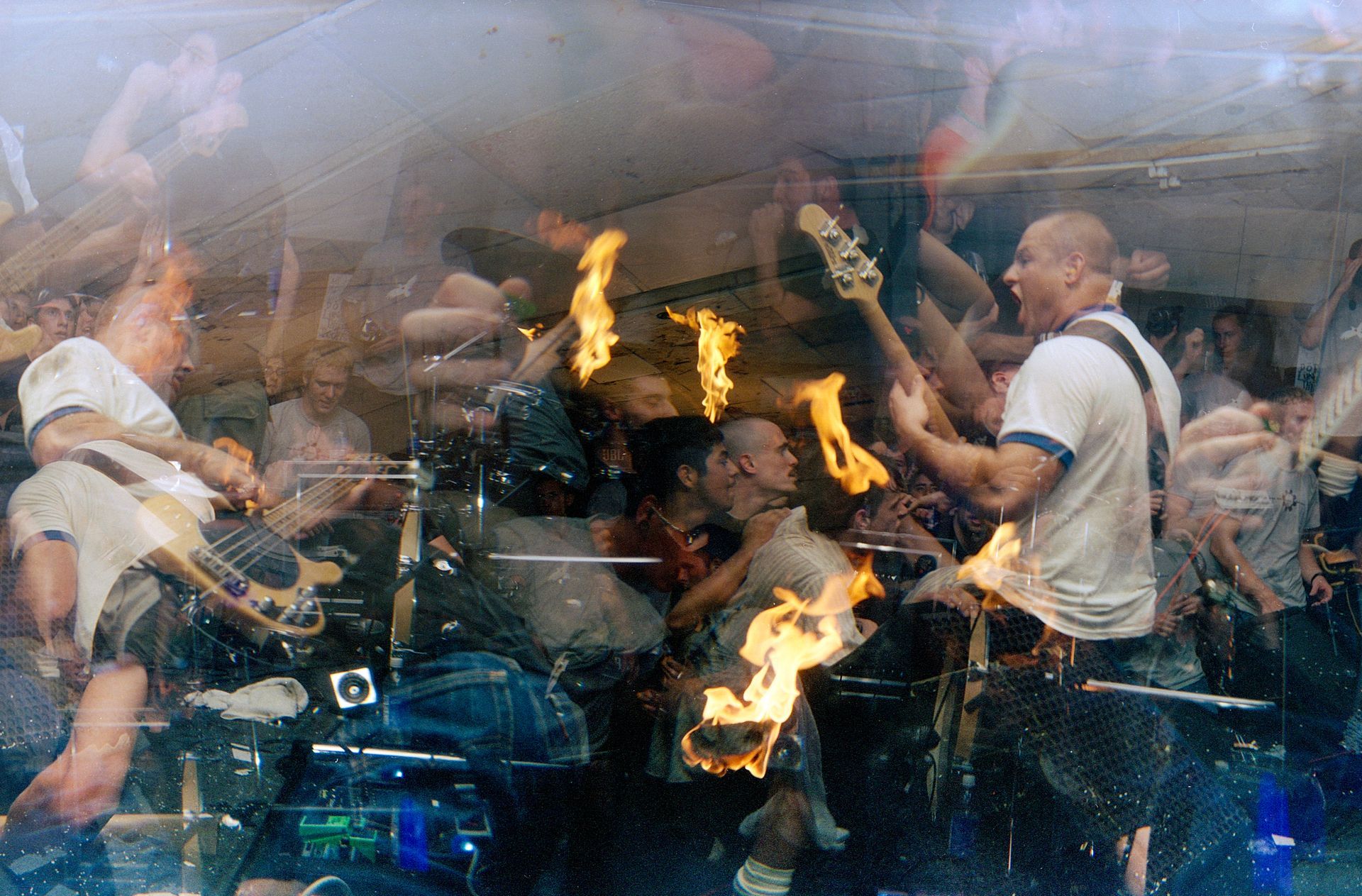
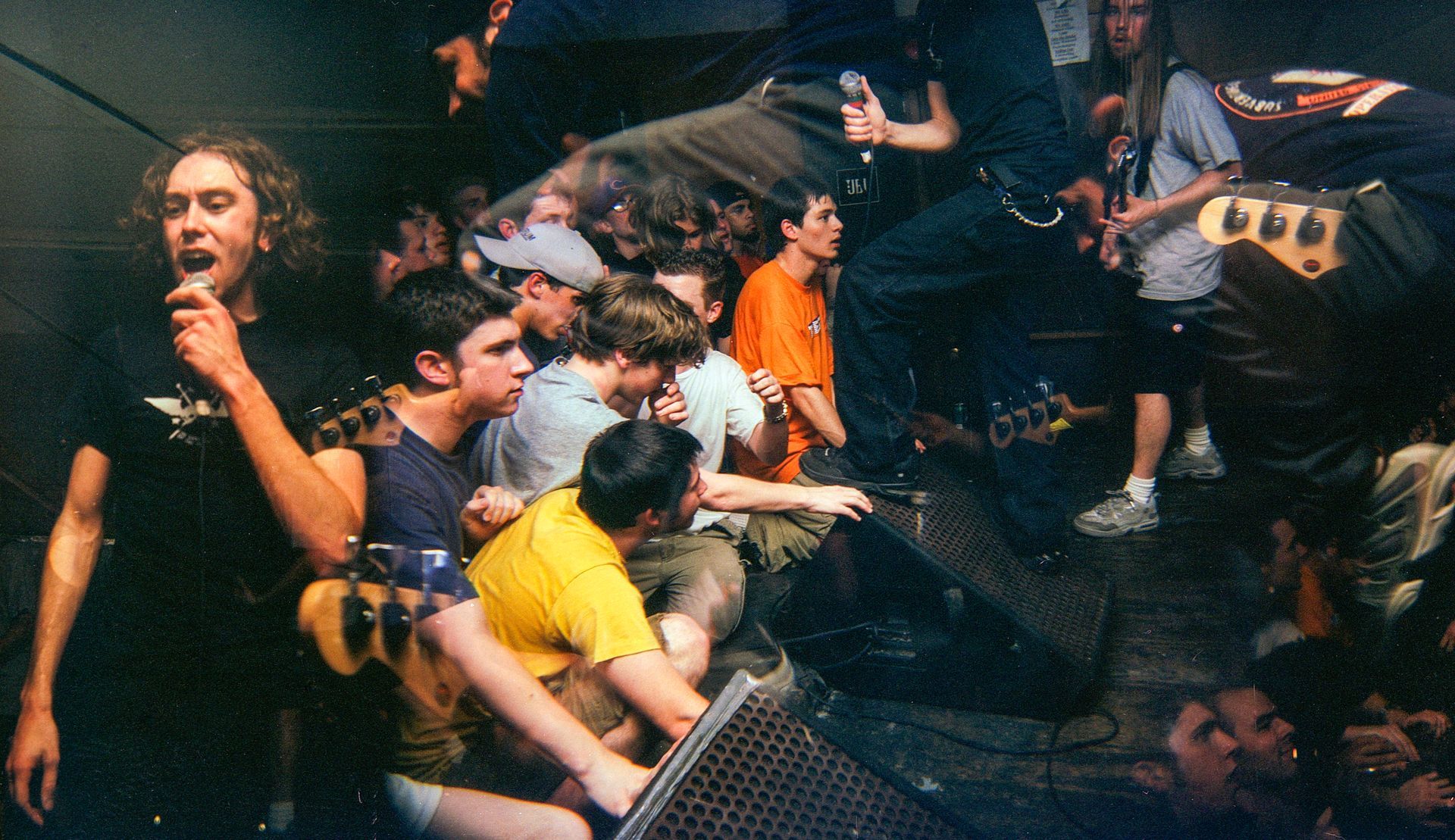
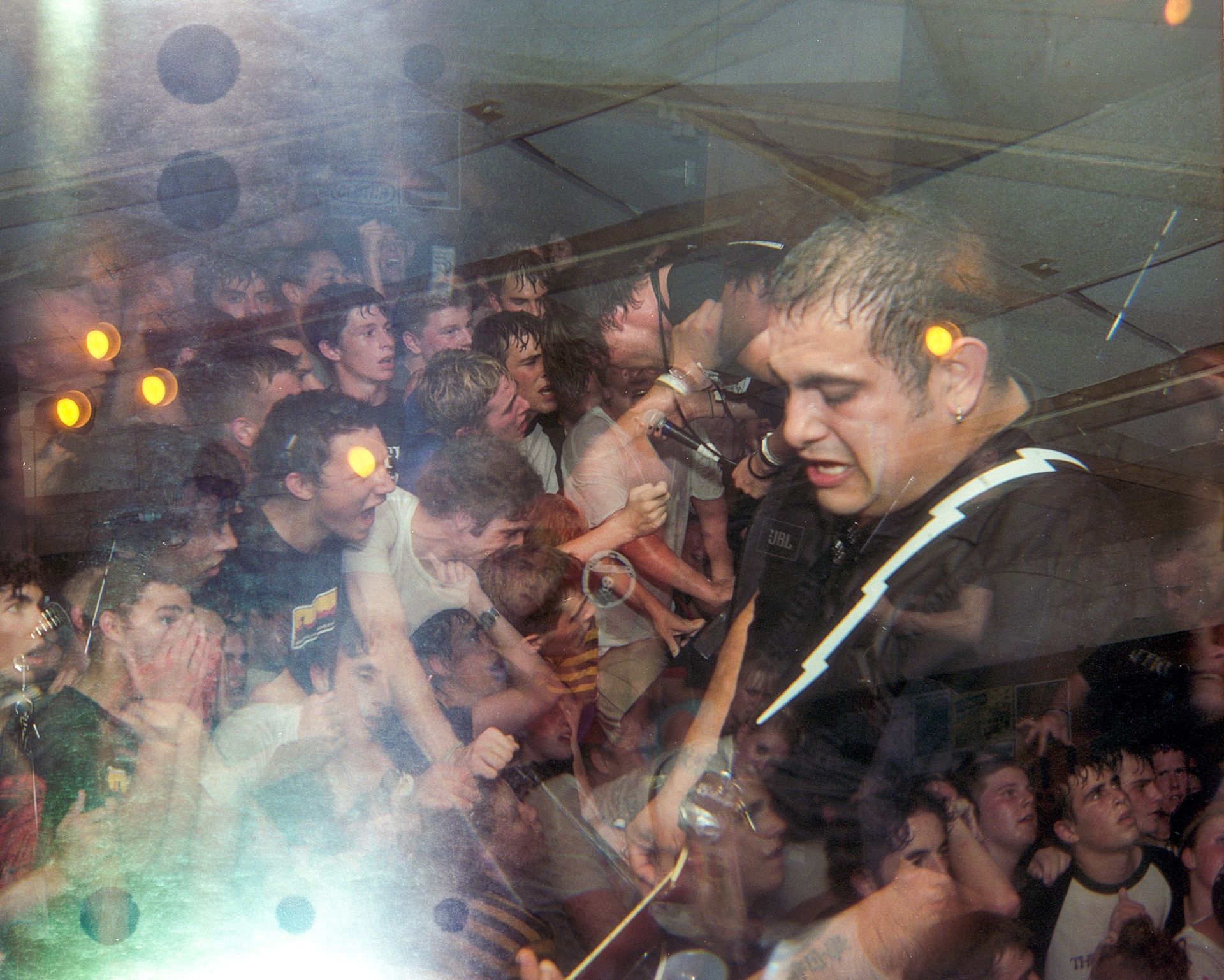
Built in 1916, 2646 W Fullerton Ave originally housed an auto garage and later a carpet cleaners, before becoming Fireside Bowl, a legendary mecca for underground music. Hank Sophie originally opened the alley with 12 wood lanes to capitalize on Chicago’s booming industrial bowling leagues, later expanding to 16 lanes in 1956. Rich Lapinski took sole ownership in 1971, but by the early 1990s, the decline of league bowling left the business in severe financial distress. To avoid bankruptcy, management partnered with independent promoters to open the space up to all-ages rock shows, accidentally birthing the epicenter of the Midwest underground punk, hardcore, and indie scenes.
Iconic bands like Fall Out Boy and Sleater-Kinney were among the many that graced the lanes. Rocked by neighborhood noise complaints and the threat of eminent domain to expand Haas Park, Fireside held it's last live concert on Saturday, August 21, 2004, after which the owner returned the building to its original, uninterrupted purpose as a bowling alley. A massive historic restoration in 2004 repaired the lanes and installed automated scoring systems. Today, Fireside Bowl successfully balances its storied counterculture past with its original purpose, operating as a beloved, retro neighborhood bowling alley that consciously avoids modern flashy gimmicks to preserve its authentic, old-school Chicago charm.
Congress Theater
2005-2013
The Congress Theater began its history in 1925 on a site previously occupied by commercial storefronts. Designed in an ornate Classical Revival style, the building quickly became a prominent crown jewel of the Lubliner & Trinz theater chain. Decades later, the venue evolved into a legendary Chicago live music hub, hosting iconic punk, rock, and alternative acts like Fugazi, The Stooges, and The Misfits. In 2002, The Congress was designated a Landmark by the City of Chicago. The theater cemented its status in local music lore by hosting the very first Spring Awakening Music Festival and serving as the original indoor home of Riot Fest in 2005. However, this golden era came to an abrupt halt in April 2013 when the city closed the theater due to numerous safety code violations. Following years of dark vacancy, a massive $88 million rehabilitation project is currently underway to carefully restore the historic Chicago Landmark to its former glory.
Oak Theater
1992-1995
The Oak Theatre opened in 1910 at 2000-2004 N. Western Avenue under the commission of the North West Co-Operative Amusement Association. Designed by prominent theater architect J.E.O. Pridmore, the 848-seat venue initially thrived as a neighborhood vaudeville and motion picture house featuring Moorish interior decor.
The building underwent a sleek Art Deco remodel in 1930 but later shifted with the times, operating as an adult movie theater during the 1970s and 1980s.
Despite a nearly $1 million restoration that attempted to revive the space into a live concert hall in 1992, the theater struggled to maintain profitability. It closed permanently in 1995 and was subsequently demolished, leaving its history to live on only in memory.
Trivia
How well do you know your local watering holes?
- Which live music venue on the 2026 PastPort tour was a former mortuary and said to be haunted?
- Which one was down the street from and X-Rated Theater?
- Which one was a launching pad for a SNL star?
- Which one began its life as a branch of the Logan Square Post Office?
- Which one was a 4 a.m. dive bar in its last incarnation?
- Which one is named after a town in Wisconsin?
- Which one was once a county music hotspot named Betty’s Stardust Lounge?
- And which one featured polka bands?
- Which one was once both a pool hall and a sheet metal fabricator?
- Which lost venue was named in a murder for hire plot?
- Which lost venue was run by a Welterweight boxing champ?
- Which lost venue one was once a liquor store named Jug Full Liquors?